Duvets are a foundational element of bedroom comfort, providing warmth and insulation while contributing to a clean, breathable sleep environment. Natural and organic options emphasize materials like cotton, wool, and blends that regulate moisture and temperature. Understanding fill power, loft, and fabric weave helps identify pieces that suit different climates and sensitivities within nursery and adult spaces alike.
When selecting a duvet, consider the fill materials and their performance in terms of warmth, weight, and allergy considerations. Organic cotton shells paired with responsibly sourced wool or down alternatives can reduce exposure to synthetic irritants. For nurseries, low-itch textures and breathable fabrics support comfort without overheating, supporting restorative sleep for infants and caregivers.
Wool-filled duvets offer natural temperature regulation, wicking moisture to maintain a steady microclimate. In cooler seasons, wool blends provide insulating warmth while remaining breathable, which helps prevent overheating. For those seeking durable and easy-care options, wool maintains loft over time with less frequent washing compared to synthetic fillings.
Protection and longevity are enhanced by duvet constructions that include secure corner ties, quilting patterns that minimize shifting, and efficient hems that reduce fabric wear. Natural organic fabrics tend to be gentle on skin, reduce the risk of irritation, and offer resilience against daily use in both nursery environments and adult bedrooms.
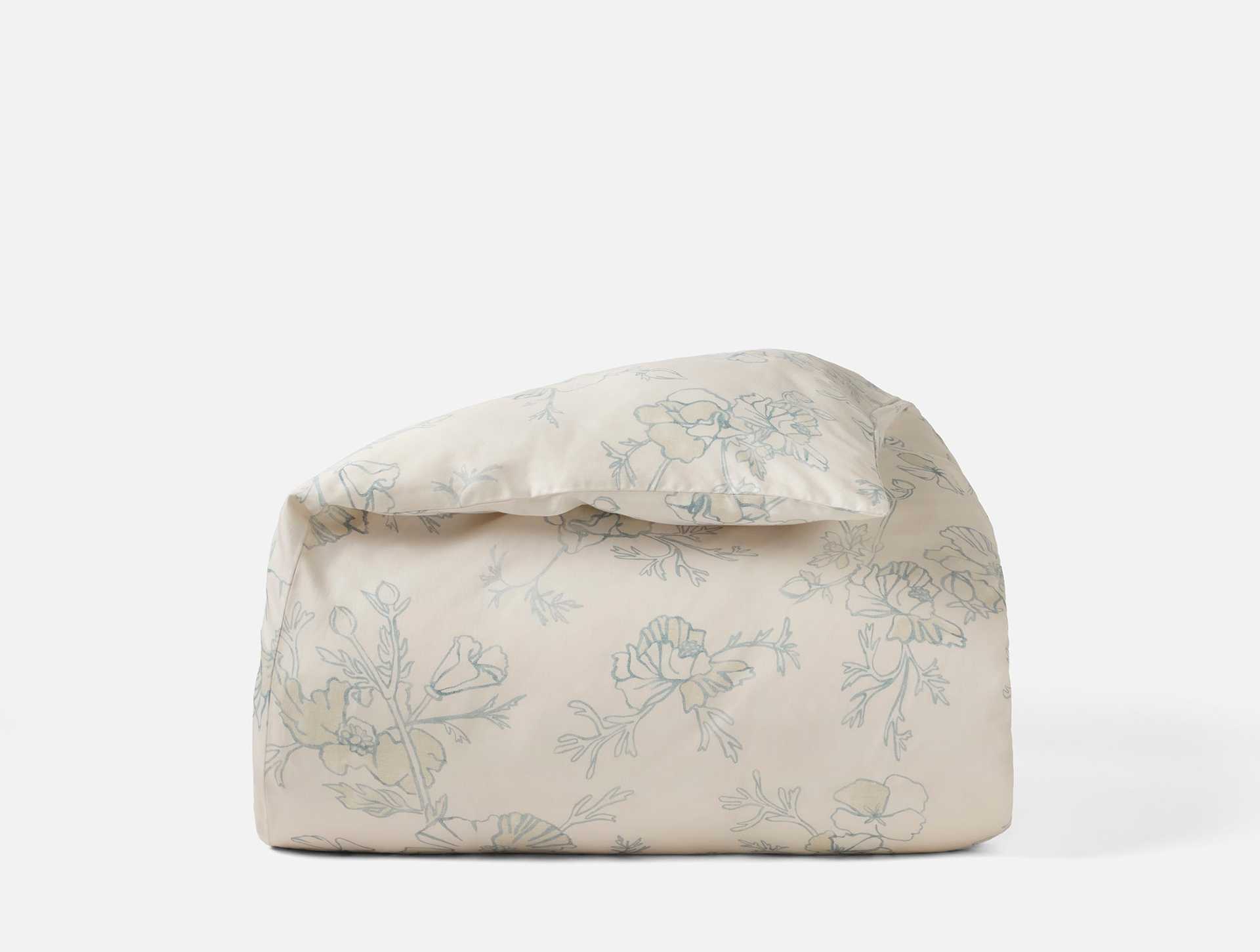
Includes items like the Romneya Organic Print Duvet Cover, which pairs a soft, breathable shell with a contemporary design. Its features typically encompass natural fibers, secure closures, and compatible protection for sensitive sleepers. Keywords such as nursery, bedding, pillows, wool, and protectors reflect the broader context of respiratory-skin health and practical care in bedding ecosystems.
 Bedding